Product Description
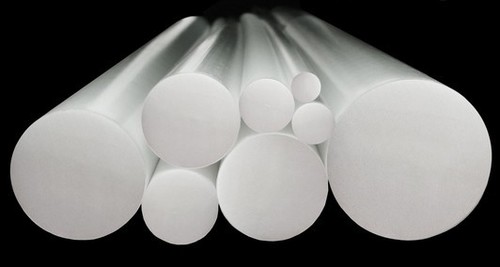
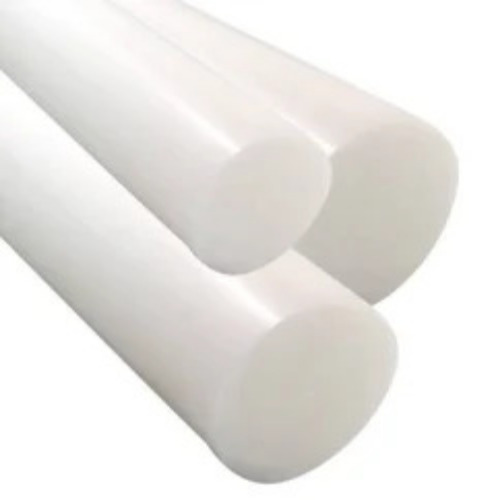
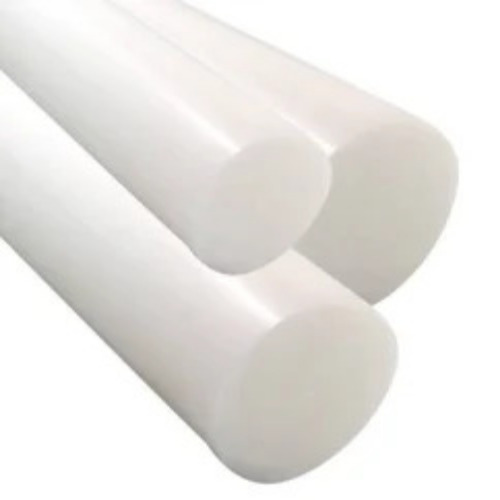
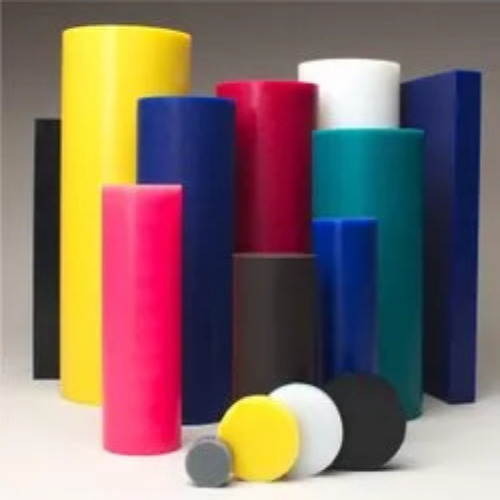
HDPE (High Density Polyethylene) Rod
High Density PE is a highly versatile polymer that exhibits excellent chemical and impact resistance. HDPE Rod is a versatile engineering plastic that has many unique and useful properties to offer users who need a varied and combined range of beneficial features including chemical resistance, sanitary equipment in food processing, piping and marine applications.
HDPE Rod Properties
High Density Polyethylene Rod exhibits a low coefficient of friction resulting in a free flowing bearing for sliding components. HDPE Rod also exhibits good resistance to abrasion, making it the most relevant material for applications where highly abrasive products such as sand, gravel or grit are present.
HDPE Rod Applications
High Density Polyethylene Rod is used for bearings, pulleys, bushes and low stress gears. HDPE Rod is the first choice for applications involving food, water and corrosive chemicals. Low water absorption, low coefficient of friction, high chemical resistance and economical cost are among the few standard benefits of HDPE Rod.
Superior Mechanical PerformanceHDPE rods boast impressive tensile strength (21-37 MPa) and elongation at break of up to 600%, providing robustness and reliability for demanding applications. Their high load capacity and excellent wear resistance contribute to extended service life and cost efficiency in usage.
High Chemical and Environmental ResistanceWith outstanding resistance to chemicals and UV radiation, HDPE rods are ideal for use in harsh environments, including chemical processing plants and marine settings. Their water absorption is virtually nil (<0.01%), ensuring environmental stability even in contact with moisture.
Safe and Versatile for Multiple ApplicationsThe non-toxic and FDA-approved nature of food-grade HDPE rods makes them safe for direct food contact. They are odorless and tasteless, further supporting their role in food processing and manufacturing. Their adaptability ensures suitability for CNC machines, lathes, and various fabrication processes.
FAQs of HDPE (High Density Polyethylene) Rod:
Q: How can HDPE rods be used in industrial applications?
A: HDPE rods are commonly used in machining, chemical processing, marine, food industry, and fabrication due to their high chemical resistance, durability, and ease of installation. They are suitable for making components like seals, bushings, spacers, and cutting boards.
Q: What are the key benefits of choosing HDPE rods over other materials?
A: HDPE rods offer several advantages such as high impact strength, excellent chemical and wear resistance, low water absorption, and superior electrical insulation. They are non-toxic, safe for food contact (FDA approved variants), and easy to machine, making them a reliable and cost-effective choice.
Q: When should I consider using HDPE rods in my project?
A: You should consider HDPE rods when your application requires high durability, impact resistance, chemical inertness, and moisture resistance, especially in food processing, marine, or chemical industries. They are ideal for harsh environments and tasks needing non-corrosive, machinable materials.
Q: Where can HDPE rods be installed or utilized?
A: HDPE rods can be installed in settings such as manufacturing plants, chemical processing facilities, food factories, marine structures, and fabrication workshops. Their machinability allows them to be cut and shaped for specific applications using CNC machines and lathes.
Q: What is the standard process for machining HDPE rods?
A: HDPE rods are easily machinable and can be processed using standard CNC machines or lathes. They can be cut, drilled, and shaped to your desired specifications, and their toughness minimizes the risk of cracking or chipping during fabrication.
Q: How does HDPE rods compliance with FDA regulations benefit food-related uses?
A: FDA-compliant HDPE rods are certified safe for direct food contact, ensuring no contamination, odor, or taste transfer. This makes them ideal for applications in food processing and manufacturing where material safety is paramount.







 Send Inquiry
 Send Inquiry
 Send SMS
 Call Me Free
