They are used for making engineering and automobile components used in heavy duty machines..
Features:
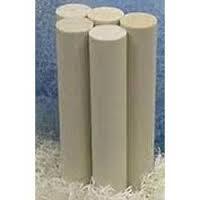
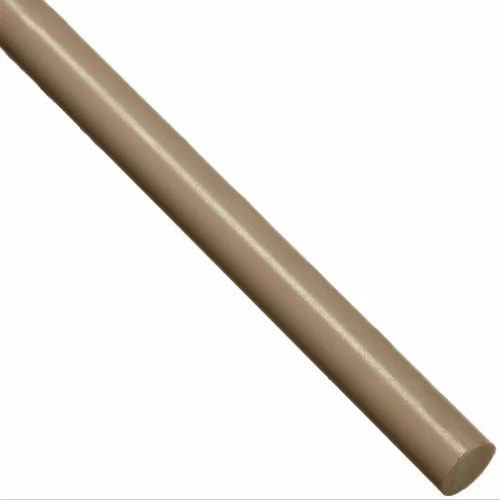
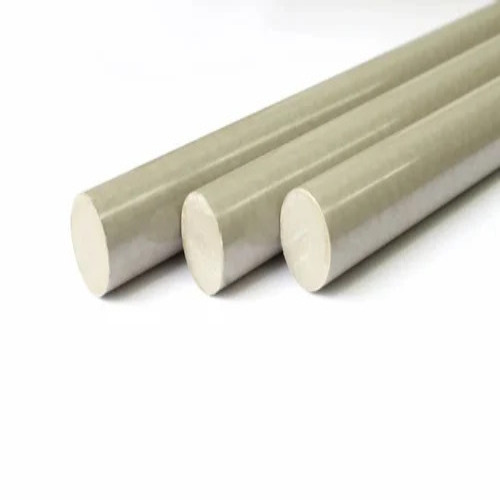
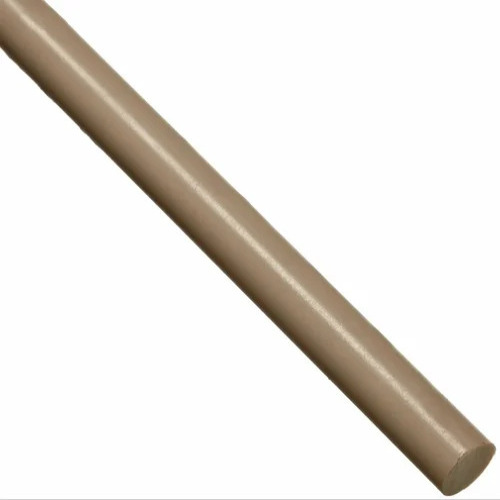
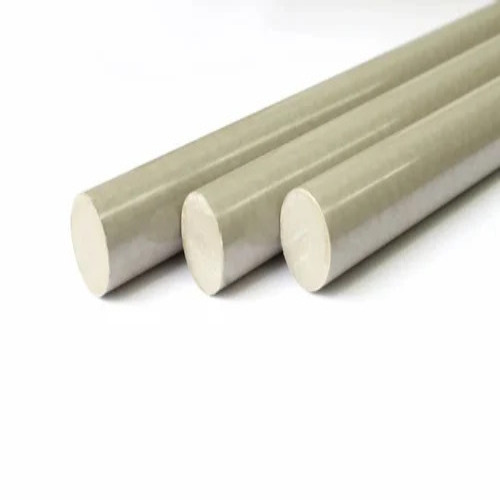
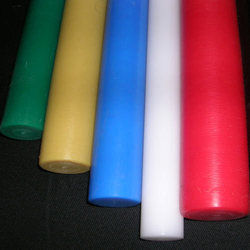
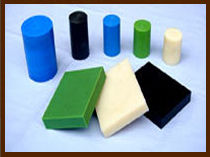
Cast Nylon Rods find broad utility in industries ranging from automotive and textile to packaging and automation. Their combination of high strength, self-lubricating surface, and outstanding chemical resistance enables them to replace traditional metals, reducing weight and maintenance while improving operational efficiency.
Manufactured in diverse diameters (10 mm to 300 mm) and lengths up to 1000 mm, these rods can be tailored to meet specific engineering requirements. Whether for CNC machining or bespoke fittings, custom sizing ensures optimal performance and compatibility for demanding industrial applications.
FAQ's of Cast Nylon Rods:
Q: How are cast nylon rods used in industrial applications?
A: Cast nylon rods are commonly machined into custom components or parts, replacing metals in engineering, packaging, textile, food processing, and automation industries. Their notable properties-such as durability, impact resistance, and excellent insulating characteristics-make them ideal for gears, bushings, rollers, and various high-precision elements.
Q: What benefits do cast nylon rods offer over traditional metal components?
A: Compared to metals like bronze, brass, aluminium, and steel, cast nylon rods provide significant advantages such as lightweight construction, exceptional corrosion and chemical resistance, self-lubricating surfaces that reduce friction and wear, and excellent machinability for high-precision parts, resulting in long-term cost and maintenance savings.
Q: When is it advisable to select cast nylon rods for a project?
A: Cast nylon rods are the preferred choice when applications demand dimensional stability, high strength, low friction, and exposure to chemicals or moisture. They perform efficiently in environments with continuous temperatures from -40C to +100C and are suited for replacing metal components to improve efficiency and reduce downtime.
Q: Where can customized cast nylon rods be installed?
A: Custom machined cast nylon rods can be installed wherever high-performing, durable components are needed-such as bearings, sliders, insulators, and rollers in CNC lathe, milling, and food processing machines. Their versatile installation makes them suitable for both retrofit and new industrial systems.
Q: What is the manufacturing process for cast nylon rods?
A: Cast nylon rods are produced through a casting process using 99% virgin grade Nylon 6 (PA6-G). The material is polymerized in a mold, then solidified to form rods that are subsequently machined or cut to specific sizes. Galvanized surface treatments and color customization follow as per requirements.
Q: How does water absorption affect the durability of cast nylon rods?
A: With a maximum 0.3% water absorption over 24 hours, cast nylon rods exhibit minimal dimensional change even in humid environments, ensuring consistent performance and longevity where moisture or periodic cleaning is involved.
Q: What are the main advantages of using cast nylon rods for high-precision machining?
A: Due to their excellent machinability, dimensional stability, and low coefficient of friction, cast nylon rods allow for the creation of detailed, high-precision components with minimal tool wear. This is particularly valuable for parts requiring tight tolerances and consistent operation under load.







 Send Inquiry
 Send Inquiry
 Send SMS
