Product Description
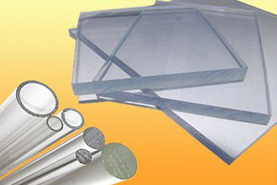
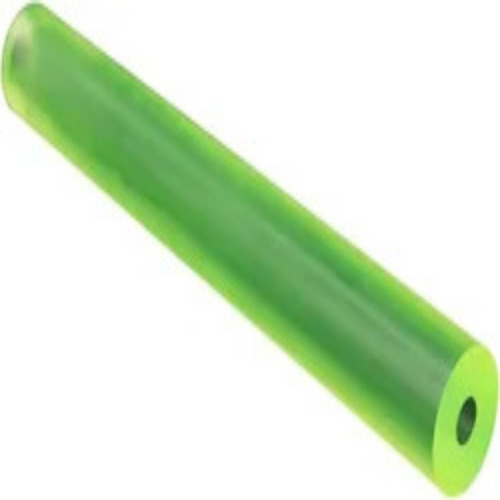
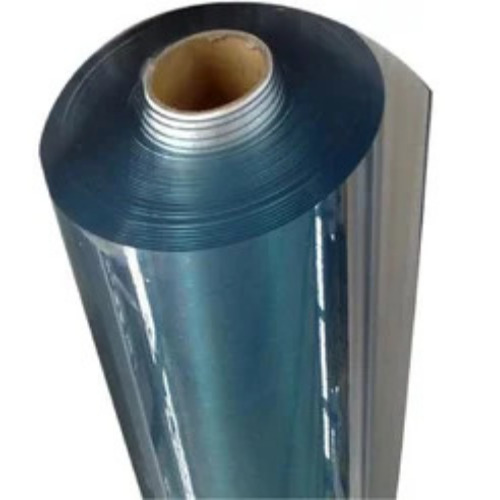
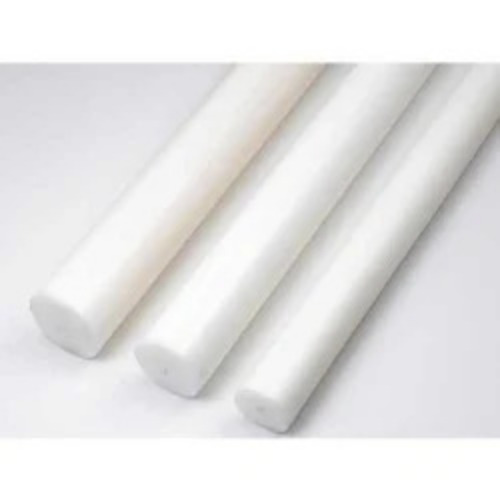
Acrylic Sheets-Rods-Pipes & Tubes
Acrylic rods, pipes and sheets are completely transparent and exhibit great resistance to breakage. Acrylic is an excellent material to use in place of glass for windows, skylights, doors, partitions, etc. Acrylic materials withstand exposure to light from fluorescent lamps without darkening or deteriorating. Acrylic ultimately will discolor, however, when exposed to high-intensity UV light.
Acrylic fabrication is easy, as it can be sawed with fine tooth blades, drilled with plastic drills, sanded and polished. Also, acrylic can be cemented with acrylic cement. Acrylic applications include inspection windows, sight gauges, windshields, meter faces, protective covers, safety shields, tanks, desk tops, displays, trays, and chair pads.
High Clarity and Excellent DurabilityAcrylic products stand out due to their impressive light transmission rate, transmitting up to 92% of visible light in clear variants. The inherent durability, high impact resistance, and hardness (Rockwell M 100) ensure longevity and reliable performance, even under challenging conditions. Their resistance to water absorption (0.2% over 24 hours) and ability to withstand a broad temperature spectrum add to their value in both indoor and outdoor environments.
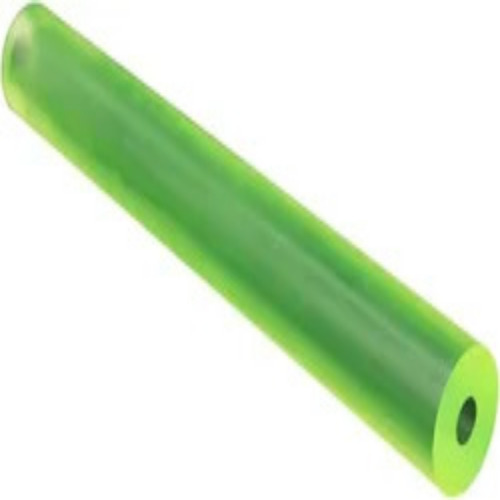
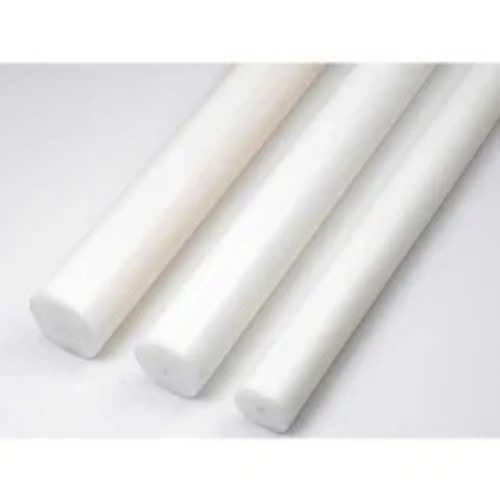
Versatile Processing and CustomizationAcrylic sheets, rods, and tubes can be hot or cold bent, easily machined, laser cut, milled, drilled, and thermoformed. Custom sizes (from 1mm up to 50mm in thickness and up to 2m in length) and shapes (sheet, rod, tube, pipe, rectangular, and bespoke forms) are available, along with a choice of finishes and colors. This adaptability makes them suitable for everything from interior design to industrial machine covers.
Wide Range of Applications and Easy InstallationThese acrylic forms are used across advertising displays, protective shields, POP setups, lighting fixtures, machine covers, and interior decor. Installation is straightforward with multiple mounting options, including wall mount, hanging, framing, and mechanical fastening. The products are commonly utilized in commercial, industrial, and residential projects throughout India, supported by reliable distributors and suppliers.
FAQ's of Acrylic Sheets-Rods-Pipes & Tubes:
Q: How can acrylic sheets, rods, pipes, and tubes be processed during fabrication?
A: Acrylic materials can be processed using a variety of methods. They may be hot or cold bent, laser cut, milled, drilled, as well as polished for custom fabrication. They can also be easily thermoformed to create distinct shapes and profiles as required.
Q: What are the main benefits of choosing acrylic for industrial and commercial applications?
A: Acrylic offers high light transmission (up to 92% for clear grades), durability, excellent impact resistance, self-extinguishing in select grades, and superior ease of fabrication. Furthermore, acrylic is 100% recyclable and provides strong thermal and electrical insulation, making it environmentally friendly and safe for diverse uses.
Q: Where are acrylic sheets, rods, and tubes commonly utilized?
A: They are widely used in applications such as advertising displays, POP fixtures, machine covers, protective shields, lighting solutions, and interior design elements in both residential and commercial settings. Their adaptability allows for widespread use across various industries throughout India.
Q: What customization options are available for acrylic products?
A: Acrylic can be customized in terms of thickness (1mm to 50mm or more), diameter (3mm to 200mm), length (up to 2m), shape (sheet, rod, tube, custom forms), and color (transparent, opaque, translucent, or custom colors like red, blue, green, etc). Grades such as virgin, extruded, and food grade are also available to meet specific needs.
Q: When is it recommended to use acrylic over glass or other plastics?
A: Acrylic is preferred when higher light transmission, greater impact resistance, and flexibility of fabrication are required. It is lighter and less prone to shattering than glass, and offers better workability than many other plastics. Its operating temperature range and self-extinguishing fire properties add safety advantages.
Q: How is the load-bearing capacity of acrylic products determined?
A: The load capacity of acrylic depends on its size, thickness, shape, and application. Generally, acrylic provides high impact and structural strength, making it suitable for protective shields, machine covers, and display units. For critical load requirements, it's advisable to consult with the supplier or refer to product datasheets.








 Send Inquiry
 Send Inquiry
 Send SMS
