Product Description
SUPERCERA CERAMIC WOOL
Supercera is a high temperature insulating refractory fibre processed from high purity alumina and silica constituent specially selected for high strength refractoriness and stability even under severe conditions.
Supercera spun texture gives it the added extra of exceptionally long fibres and superior mechanical properties essential to meet rugged service conditions.
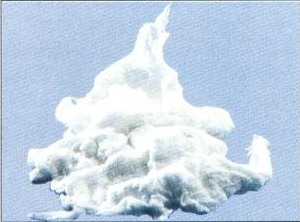
Supercera bulk fibers provide superior acoustical benefit in addition to high thermal performance a relevant benefit in process furnaces. Supercera can be handled and worked into expansion joints, wall penetrations and other areas with nominal skills. In specific cases, our application engineers would be happy to assist with Heat Loss. Surface Temperature and Heat Storage Computations.
APPLICATIONS:
As a resilient fill for packing material in high temperature areas like:
|
|
|
|
| |
|
Burner openings |
|
|
Kiln Insulations |
|
|
Furnace patch sealing |
|
|
Emergency repairs in refractory |
|
|
Glass Tanks and glass processing |
|
|
Furnace repairs |
| |
|
Expansion Joints |
| |
|
Fibre Boxes |
Exceptional Insulation PerformanceSupercera Ceramic Wool delivers outstanding thermal insulation, reducing heat loss in industrial furnaces and high-temperature environments. With its low thermal conductivity and high melting point, it ensures safety and efficiency even under extreme conditions.
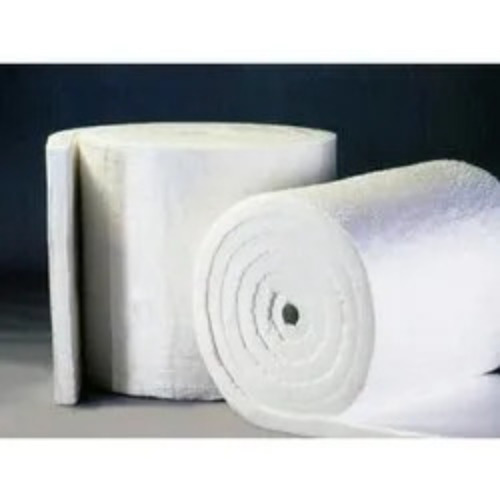
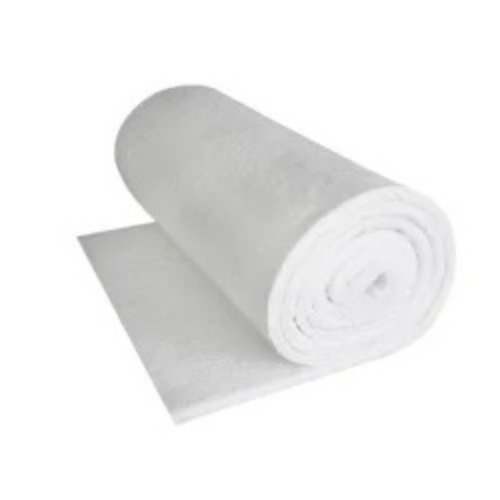
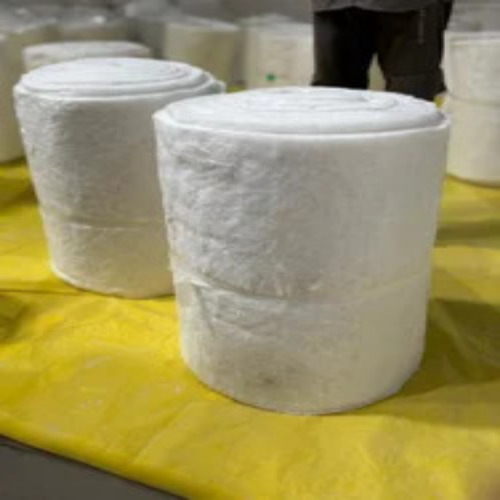
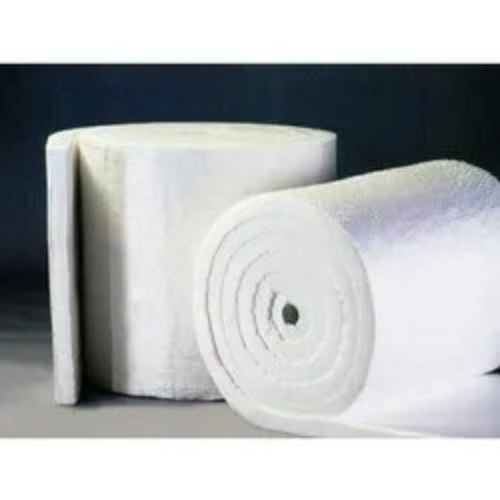
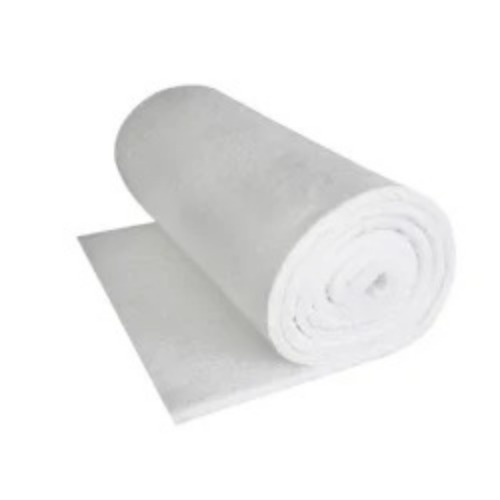
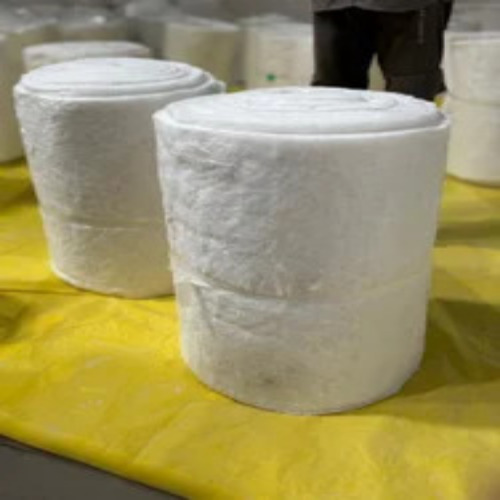
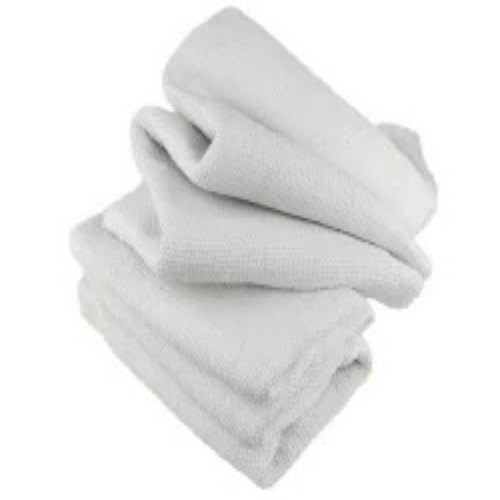
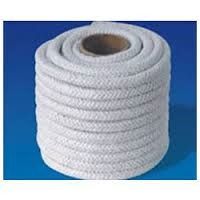
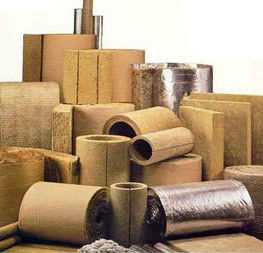
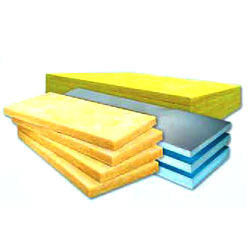
Flexible and Versatile ApplicationsAvailable in various forms such as rolls, blankets, and lapped mats, Supercera Ceramic Wool is highly adaptable. Its lightweight and flexible structure allows for easy cutting and installation, catering to diverse industrial requirements and custom-size requests.
Chemical and Fire ResistanceEngineered to withstand severe environments, this ceramic wool is resistant to most chemicals (with exceptions for strong acids and alkalis) and is fire resistant. These attributes make it a reliable choice for long-term thermal protection and safety.
FAQ's of Supercera Ceramic Wool:
Q: How do I install Supercera Ceramic Wool in an industrial furnace setup?
A: Supercera Ceramic Wool is easy to install due to its flexible and lightweight nature. Simply cut the blanket, roll, or mat to the required size with a sharp utility knife and fit it into the desired location within the furnace. Securing mechanisms or adhesives suitable for high temperatures may be used as needed.
Q: What makes Supercera Ceramic Wool suitable for high-temperature applications?
A: With a thermal conductivity of 0.035 W/mK at 600C and a temperature range up to 1260C (2300F), Supercera Ceramic Wool provides exceptional heat resistance. Its melting point exceeds 1760C, ensuring the material remains effective and safe in extreme industrial conditions.
Q: Where can Supercera Ceramic Wool be used besides furnaces?
A: Although primarily designed for industrial furnaces, Supercera Ceramic Wool is also suitable for kilns, boilers, high-temperature ducts, and equipment requiring robust thermal and acoustic insulation. Its versatility makes it ideal for multiple industrial and soundproofing applications.
Q: What are the benefits of using ceramic wool compared to traditional insulation?
A: Supercera Ceramic Wool offers superior heat resistance, sound absorption, fire resistance, and chemical durability (except against strong acids and alkalis). Its lightweight, flexible nature simplifies installation and reduces manual labor compared to more rigid traditional insulators.
Q: When should I choose Supercera Ceramic Wool over other insulation materials?
A: Opt for Supercera Ceramic Wool when applications demand high-temperature resistance, lightweight and flexible material, good soundproofing properties, and chemical resistance, particularly in harsh industrial processes such as furnace or kiln insulation.
Q: What forms and sizes are available for Supercera Ceramic Wool?
A: Supercera Ceramic Wool comes in rolls, blankets, or lapped mats, with typical thicknesses of 5-10 mm and widths of 3-5 mm. Standard sheet size is 100 mm x 610 mm x 1220 mm, but custom dimensions can be arranged as needed.






 Send Inquiry
 Send Inquiry
 Send SMS
 Call Me Free
