Product Description
Ceramic Rope
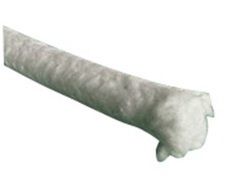
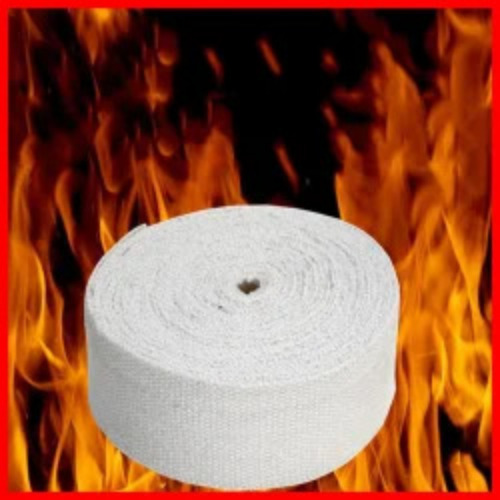
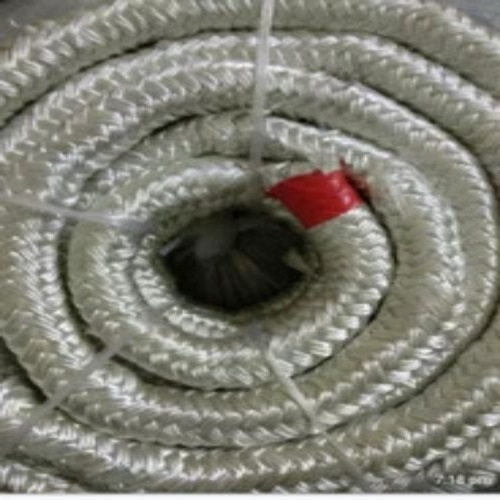
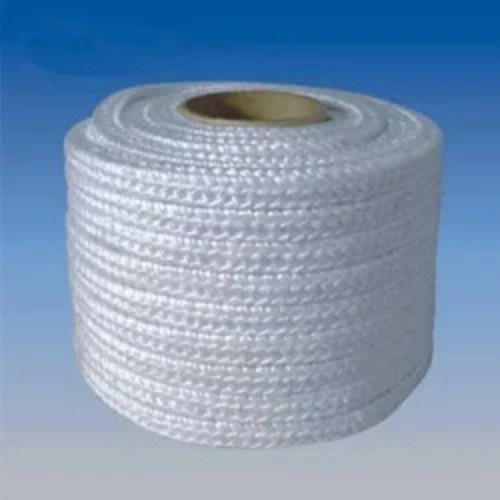
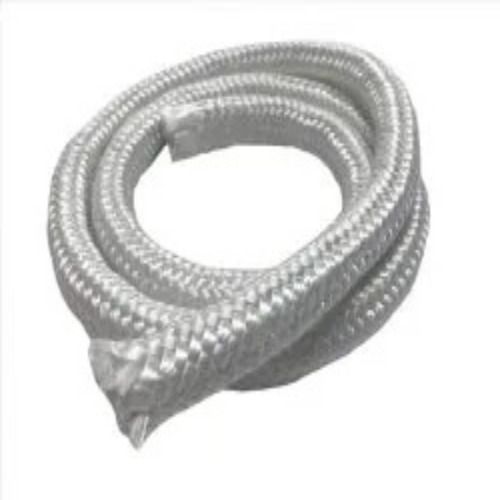
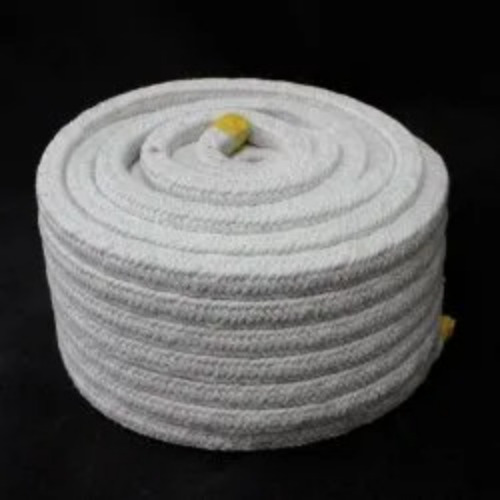
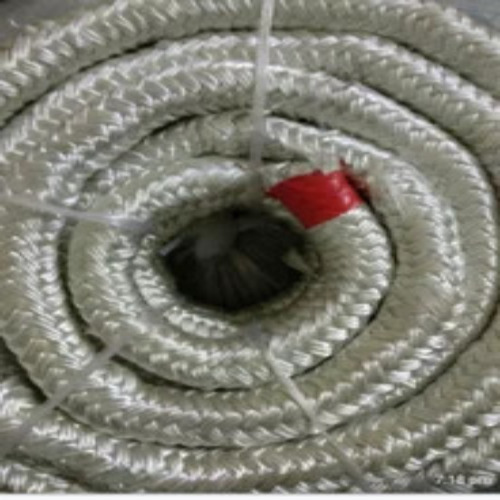
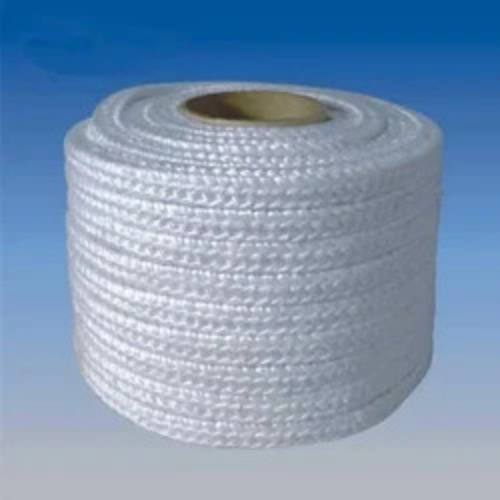
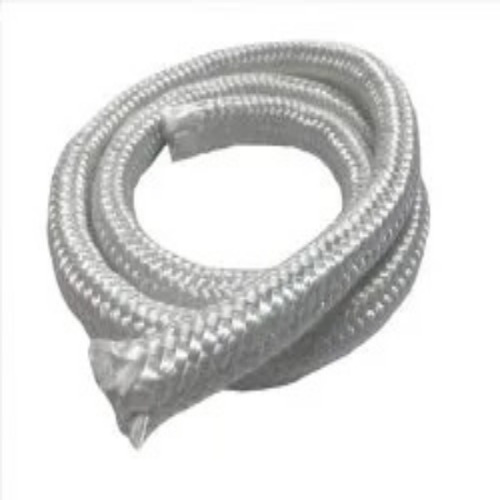
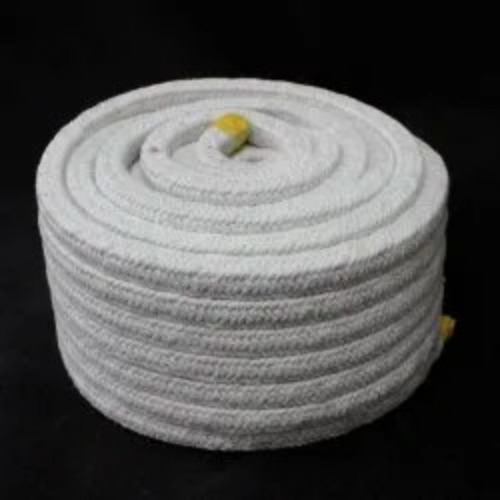
Braided by ceramic fiber yarns, it contains the core rope and an outer layer. According to the different working temperature, the outer layer is braided by different ceramic fibre yarn with S.S. wire or fiberglass yarn. It is used as heat insulation materials and an excellent substitute for asbestos rope.
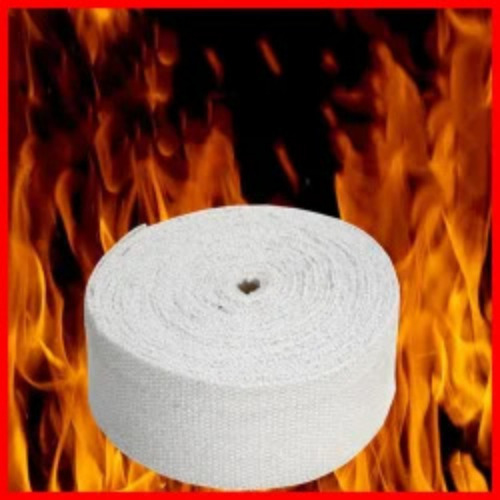
Exceptional Heat Resistant PerformanceCeramic Rope stands out for its ability to endure temperatures up to 1260C, making it perfect for thermal insulation and fireproof packing. Its minimal elongation ensures the rope maintains its shape and sealing properties, even in extreme conditions. Suitable for continuous exposure to high temperatures, this product offers peace of mind and enduring performance.
Versatile and Customizable SolutionsAvailable in round, square, and twisted shapes, the Ceramic Rope can be tailored to fit specific project requirements. Its thickness and width range from 5-10 mm and 3-5 mm respectively, and it is provided in rolls or coils based on customer specifications. Whether for large industrial setups or specialized sealing needs, customization options ensure a precise fit.
Reliable Chemical Resistance and StructureWith robust resistance to acids and alkalis, this ceramic rope provides effective protection in chemically challenging environments. Its solid or rope structure ensures high durability and dimensional stability, contributing to a longer service life in various packing and insulation applications.
FAQ's of Ceremic Rope:
Q: How can I use ceramic rope in packing applications?
A: Ceramic rope is typically used for packing in high-temperature and chemically aggressive environments. Simply cut the appropriate length, fit it into seams or joints requiring insulation or sealing, and secure it. It is particularly useful for furnace doors and industrial equipment where superior heat resistance is essential.
Q: What benefits does ceramic rope provide over traditional packing materials?
A: Ceramic rope offers unmatched fire and chemical resistance, maintaining its shape even under intense heat. With a melting point greater than 1700C and low elongation, it delivers long-lasting performance, reducing maintenance frequency and providing reliable sealing in critical applications.
Q: When should I choose round, square, or twisted shapes for ceramic rope?
A: Select the shape based on your application's sealing requirements. Round ropes are ideal for standard groove packing, square for tight sealing in rectangular joints, and twisted ropes provide enhanced flexibility for irregular shapes and surfaces.
Q: Where is ceramic rope commonly used?
A: This rope is widely deployed in industrial sectors such as power plants, foundries, and refineries across India. Its use is prevalent in furnace doors, boilers, and other equipment needing resilient thermal packing and insulation.
Q: What is the process for ordering customized ceramic rope dimensions?
A: You can specify the required length, width, thickness, and packaging format (rolls or coils) when placing your order. Our team will ensure the product is tailored precisely to your application requirements.
Q: Does ceramic rope maintain its structure under prolonged heat exposure?
A: Yes, this rope exhibits very low elongation and excellent shape retention, even during continuous exposure to high temperatures, ensuring dependable performance.
Q: Is the ceramic rope suitable for use with both acids and alkalis?
A: Absolutely. The rope's excellent chemical resistance means it can be safely applied in environments with regular exposure to acids or alkalis, offering sustained durability and protection.






 Send Inquiry
 Send Inquiry
 Send SMS
