Product Description
Polycarbonate sheet
The polycarbonate sheets are currently being used instead of other materials such as polyethylene membrane, toughened glass and glass. This has been due to the desirable features they possess such as lightweight, high impact strength, UV protection and better aesthetic value.
Applications:
- Electrical and electronics; this material is used to make quite a number of electrical and electronics equipment. Some of the most common parts include the switching relays, sensor parts, LCD sections, connectors, cell phones and computers just to mention a few.
- Automotive industry; polycarbonates are used to make various parts in the automotive industry. This is also due to their light weight and high-performance properties. They are used to make transparent sections of the car, headlight bezels, door handles, radiator grills and inner lenses. Their extensive use in this industry is due to their rigidity, dimensional stability, good heat resistance and low moisture absorption.
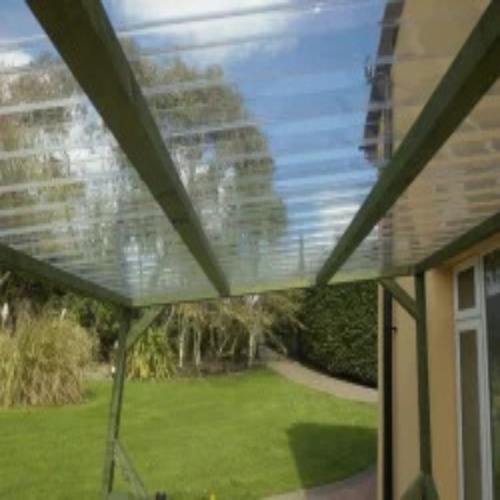
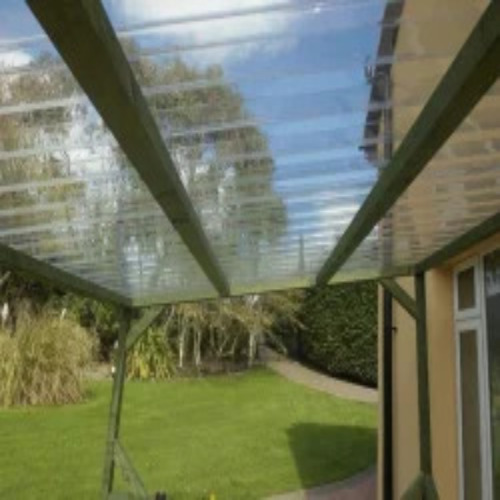
- Agriculture ; polycarbonate sheets are also used to make greenhouses. The UV treated polycarbonate sheets are commonly used to make high-quality greenhouse covering materials.
- They are also used to make eyeglasses, bulletproof windows and a wide range of items in both domestic and industrial applications.
Maximum Impact Strength and DurabilityPolycarbonate sheets offer remarkable impact strength, making them over 200 times stronger than equivalent thickness glass. This robust resilience makes them a preferred choice for areas requiring enhanced safety, such as industrial barriers, public infrastructure, and protective roofing. Their shatter-resistant properties ensure long-lasting performance, even in demanding environments.
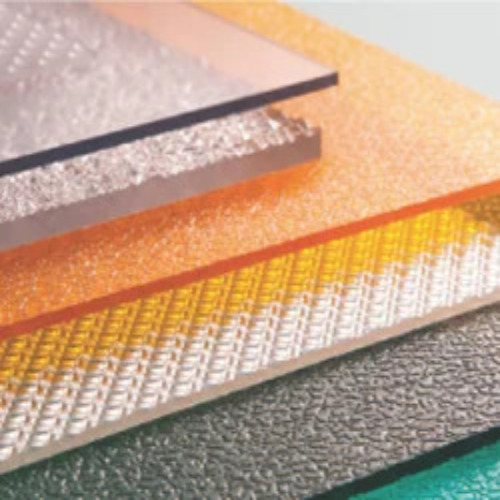
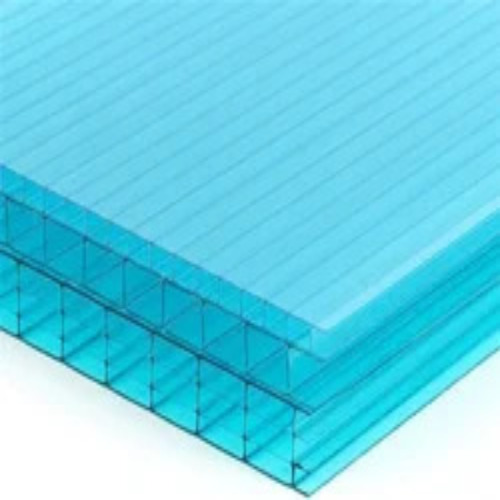
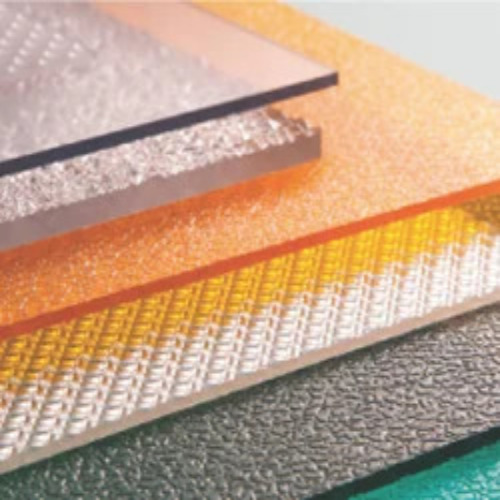
Versatile Application and ProcessingDesigned for versatility, polycarbonate sheets can be cut, drilled, cold bent, and thermoformed to suit unique project needs. Compatible with common sheeting and fabrication machinery, they are ideal for uses like transparent roofing, wall cladding, signage, and display panels. The sheets are available in multiple colors, textures, and thicknesses to provide tailored solutions for diverse industries.
Superior Weather and Chemical ResistanceWith a working temperature range from -40C to +120C and resistance to most chemicals and oils, polycarbonate sheets deliver consistent performance in extreme conditions. Their weatherproof properties, complemented by various surface treatments, make them suitable for both indoor and outdoor settings, ensuring longevity and minimal maintenance.
FAQ's of Polycarbonate Sheet :
Q: How can polycarbonate sheets be processed or fabricated on-site?
A: Polycarbonate sheets are highly adaptable and can be cut, drilled, cold bent, or thermoformed using standard sheeting, cutting, or fabrication machinery. Their minimum cold bending radius is 150 times the sheet's thickness, which should be followed to prevent material damage during installation.
Q: What are the main benefits of using polycarbonate sheets over glass?
A: Polycarbonate sheets are over 200 times stronger than glass of the same thickness and are shatter resistant, offering enhanced safety. They are lighter, easier to install, provide high light transmission (up to 88%), and deliver excellent weather and chemical resistance, making them suitable for a range of demanding applications.
Q: Where are polycarbonate sheets commonly installed?
A: Polycarbonate sheets are widely used in industrial, commercial, and residential settings. Typical applications include transparent roofing, wall cladding, protective barriers, display panels, and signage in construction projects, factories, malls, offices, and homes.
Q: What colors and sizes are available for polycarbonate sheets?
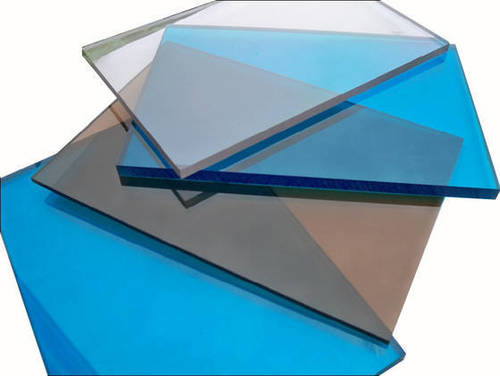
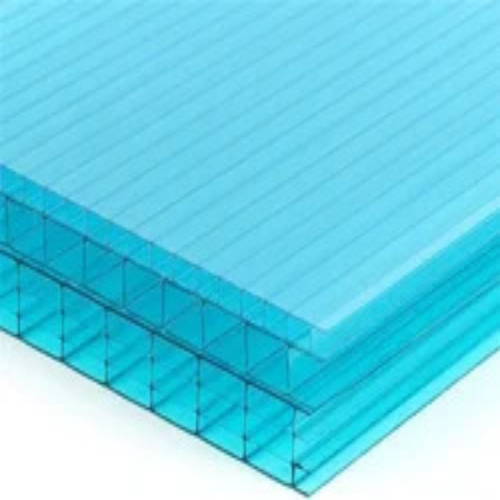
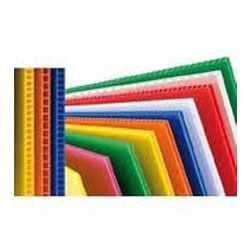
A: These sheets are available in transparent, blue, green, bronze, opal, and custom colors. They can be supplied in standard widths of 1.22m or 2.1m with customizable length and thickness options (ranging from 1 mm to 12 mm) to match specific project requirements.
Q: Are polycarbonate sheets suitable for outdoor or harsh environments?
A: Yes, polycarbonate sheets are weatherproof and resist most chemicals and oils. With a wide temperature tolerance (-40C to +120C) and durable surface treatments, they are engineered for reliable, long-term performance in both outdoor and challenging industrial environments.
Q: What installation methods are recommended for polycarbonate sheets?
A: Standard installation options include clamping, screwing, or framing. Selection of the method depends on application specifics, load requirements, and the sheet's thickness. Proper installation ensures optimal durability and performance.






 Send Inquiry
 Send Inquiry
 Send SMS
