Product Description
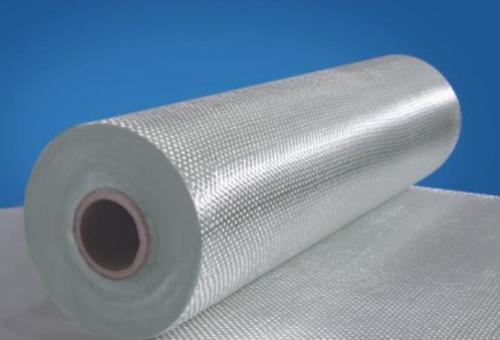
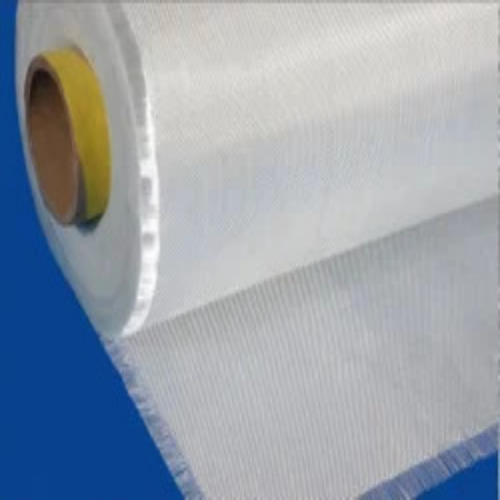
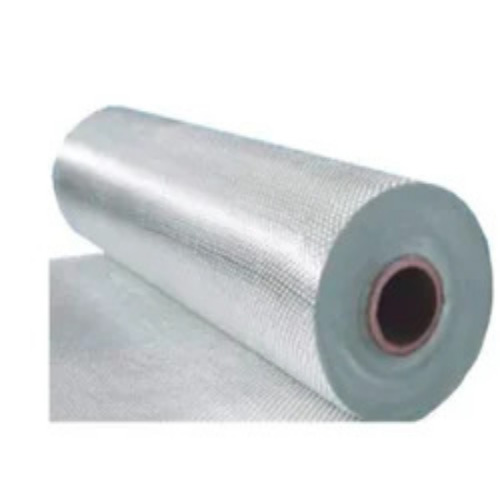
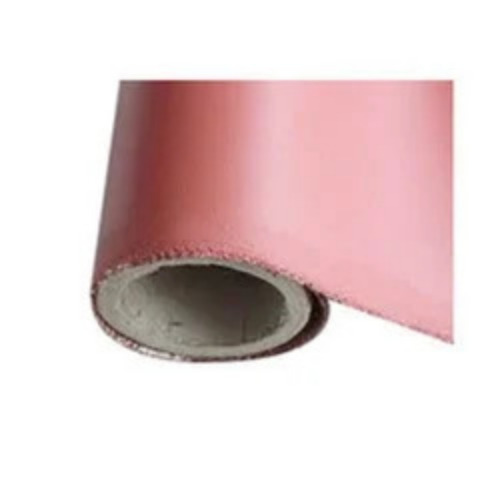
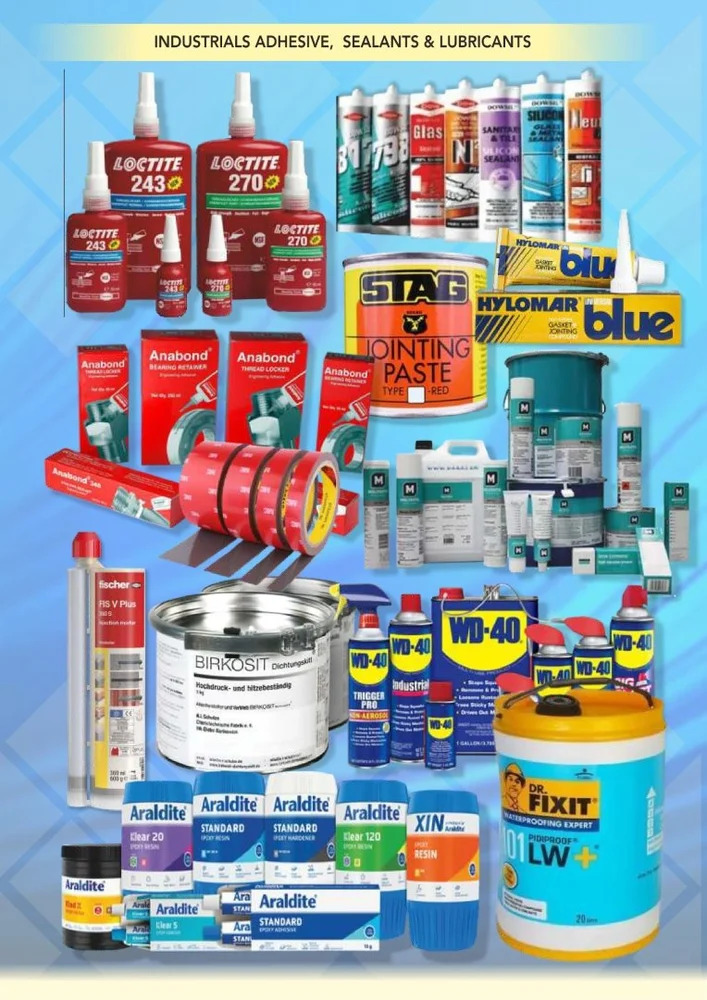
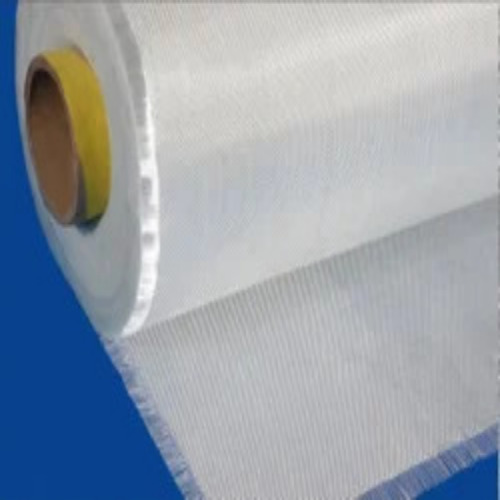
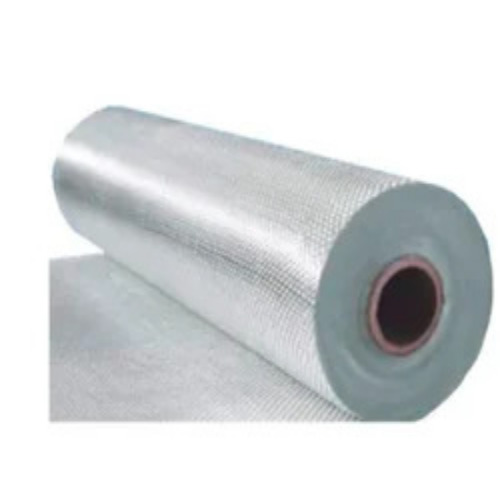
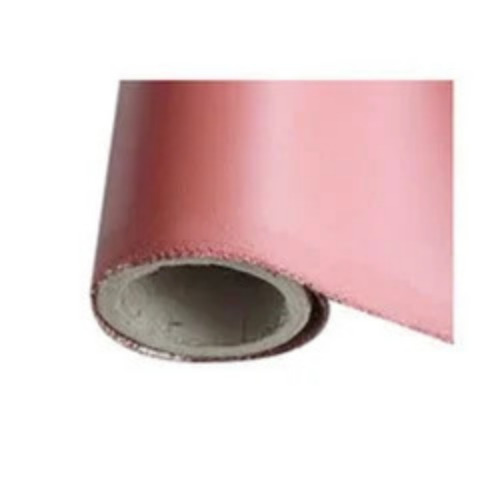
Fiberglass Cloth
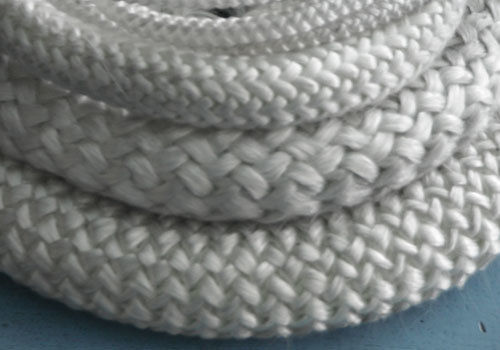
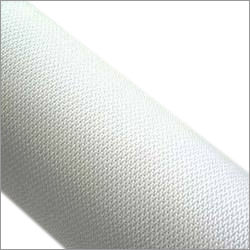
Fiberglass cloth is a woven fabric manufactured from texturized fiberglass yarn, which provides enhanced insulation property. Fiberglass cloth is an ideal material for various thermal and acoustic insulation, high temperature seal and protection.
Characteristics and Specs
-
Heat, spark and flame resistant, temperature rating 1000F
-
Chemical resistant
-
Low thermal conductivity
-
High tensile strength, no stretch or shrink
-
High dielectric strength
Typical Applications
Welding blankets, safety blankets, curtains, expansion joints, protective and insulation covers or shields.
Outstanding Fire and Alkali ResistanceFiberglass cloth is engineered for environments where safety is paramount. With excellent resistance to fire and strong performance in alkaline settings, this fabric protects structures and components from extreme conditions. Its chemical stability makes it a prime choice for composite fabrication, insulation, and structural reinforcement across a variety of industries, including automotive, marine, industrial, and construction sectors.
Customizable to Project RequirementsWhether your project calls for rolls or sheets, our fiberglass cloth can be tailored to precise specifications. Variations in thickness (0.1 - 1 mm), width (5-10 mm), GSM, and length, along with options for specialized coatings, ensure suitability for diverse applications. Our flexible solutions make this product ideal for both standard and unique uses, providing reliable results for industrial and reinforcement needs.
FAQ's of Fiberglass Cloth:
Q: How is fiberglass cloth used in reinforcement and insulation applications?
A: Fiberglass cloth is used as a reinforcing material in composites and as an insulation layer in thermal applications. Its high tensile strength and low thermal conductivity ensure mechanical reinforcement and efficient temperature management in structures such as boats, automotive parts, roofing systems, and building insulation.
Q: What benefits does the excellent fire resistance of this fiberglass cloth offer?
A: The outstanding fire resistance of this fiberglass cloth provides a crucial safety advantage by reducing the risk of flame spread, protecting valuable assets, and enabling compliance with stringent safety standards in sectors like construction, automotive, and industrial manufacturing.
Q: When should I choose a plain, twill, or satin weave pattern for my application?
A: You should select the weave pattern based on your project's mechanical requirements and resin compatibility. Plain weaves offer balanced strength and stability, twill weaves bring more flexibility and drapability, while satin weaves provide the smoothest finish ideal for decorative or high-gloss surfaces.
Q: Where is this fiberglass cloth commonly applied?
A: This fiberglass cloth finds common usage in boat building, automotive industries, roofing, FRP products, industrial insulation, and construction projects. It is particularly valued where reinforcement, thermal insulation, or fire resistance is essential.
Q: What is the recommended process for cutting and installing fiberglass cloth?
A: Fiberglass cloth can be cut using sharp scissors or specialized shears. For installation, it is typically laid onto the surface and impregnated with resin if used in composites. Proper safety gear, including gloves and masks, is advisable to avoid irritation during handling.
Q: How does the high alkali resistance of this fabric benefit industrial usage?
A: High alkali resistance ensures that the fiberglass cloth maintains its structural integrity and performance even in harsh chemical environments, extending the lifespan of components in industrial processes and construction.








 Send Inquiry
 Send Inquiry
 Send SMS
 Call Me Free
