Product Description
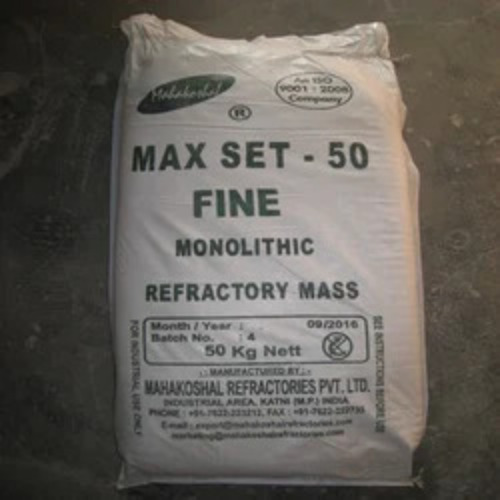
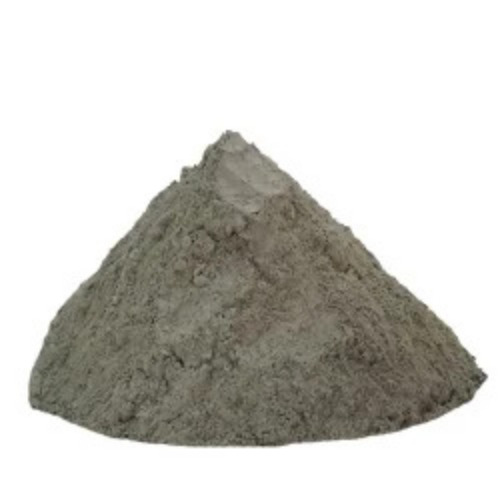
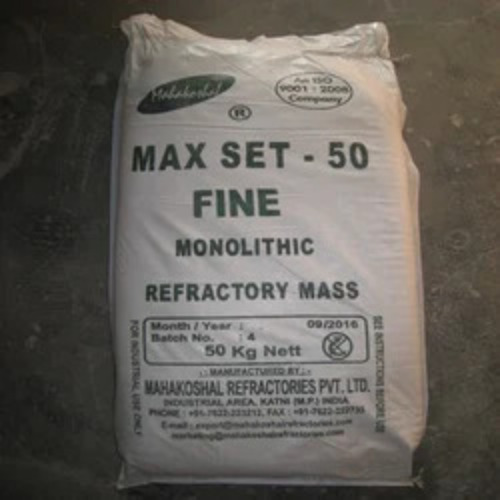
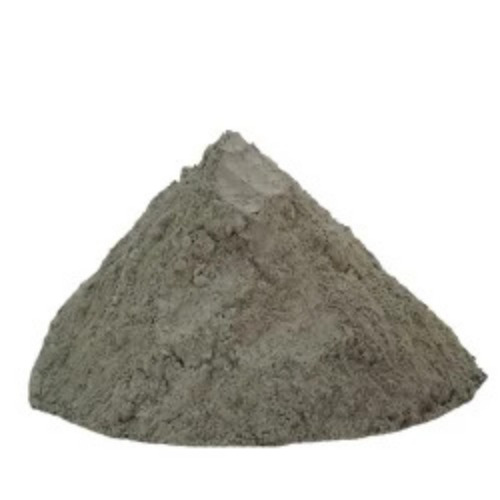
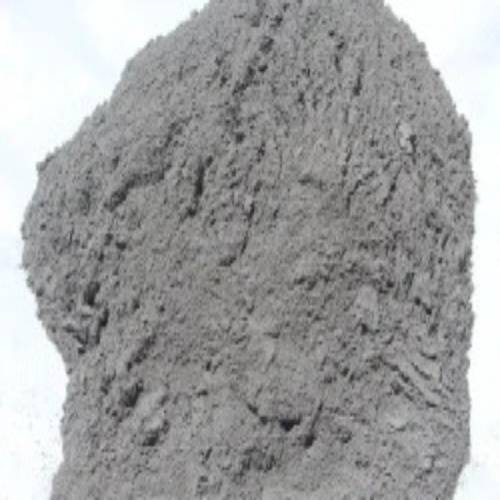
Refractory Cement
The offered cement is widely acclaimed for providing high bonding strength to the bricks. It ensures an air tight joint between the bricks of the masonry. It is also capable of providing a volume stable structure. Our refractory cement is available at cost effective market rates.
Features:
- Quick setting time
- Dust free
- Withstand high temperature
Superior Thermal Resistance and High StrengthOur refractory cement withstands service temperatures up to 1700C and delivers a cold crushing strength greater than 70 MPa post-firing. This exceptional endurance makes it suited for the most rigorous industrial environments, including steel manufacturing and high-temperature incineration. The cement's mechanical resilience ensures longevity and reliable structural performance in all refractory lining applications.
Precision in Composition for Industrial StandardsFormulated primarily from alumina (Al2O3) along with CaO, SiO2, Fe2O3, and selected trace minerals, our cement guarantees compositional accuracy and purity. It is available in grades such as IS 8 and IS 6, accommodating diverse industrial requirements. Strict quality control ensures each batch meets specification standards, making it trustworthy for applications where consistency matters.
Optimized Installation and Packaging SolutionsPackaged in HDPE bags with liners or large jumbo bags, our refractory cement is protected against moisture and contamination. The powder form allows flexible installation, including casting and ramming. Water requirement is just 8-10% by weight, facilitating easy mixing onsite. With a shelf life of 12 months in sealed, dry conditions, it offers both practicality and durability for stockists and users alike.
FAQ's of Refractory Cement:
Q: How do I properly mix and apply refractory cement for lining installations?
A: To prepare refractory cement, add 8-10% water by weight and mix thoroughly to achieve a consistent, workable paste. Application can be done either by casting or ramming, as suitable for the project. Ensure surfaces are clean and slightly damp before applying. The initial setting time is 30 minutes, and the final set occurs within 600 minutes, depending on the grade.
Q: What are the main benefits of using high-alumina refractory cement in industrial settings?
A: High-alumina refractory cement offers superior thermal shock resistance, high load-bearing capacity, and excellent durability at service temperatures up to 1700C. Its abrasion resistance and chemical stability enhance the lifespan and performance of linings in harsh operational conditions such as those in steel plants, cement kilns, and industrial furnaces.
Q: Where should refractory cement be stored to maximize its shelf life?
A: Refractory cement should be kept in a dry, covered area away from direct exposure to moisture and weather elements. Use sealed HDPE bags with liners or jumbo bags to prevent contamination. Storing the cement properly extends its shelf life up to 12 months from the manufacturing date.
Q: When is refractory cement ready for exposure to high temperatures after installation?
A: After application, allow the cement to achieve its final set within the specified time (up to 600 minutes, grade-dependent). Curing and initial drying periods are recommended before subjecting the lining to high temperatures, as per industry best practices, to prevent thermal shock and ensure maximum performance.
Q: What industries commonly utilize this refractory cement, and for what applications?
A: This refractory cement is widely used in steel plants, cement manufacturing, incinerators, and industrial furnaces. Typical applications include the construction and repair of refractory linings, insulation for high-temperature equipment, and castable components needing reliable thermal and mechanical properties.
Q: How does the compositional accuracy of this cement contribute to its performance?
A: The precise formulation with a high alumina content (80-85% for high-purity grades) and controlled levels of CaO, SiO2, and Fe2O3 ensures predictable thermal properties, strength, and chemical resistance. This compositional accuracy enhances reliability and performance, meeting stringent industrial quality standards.










 Send Inquiry
 Send Inquiry
 Send SMS
