Product Description
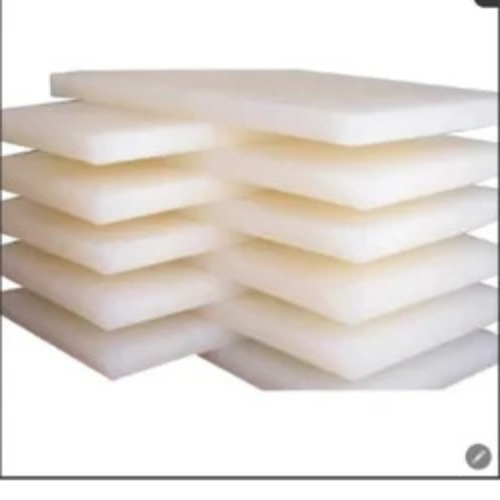
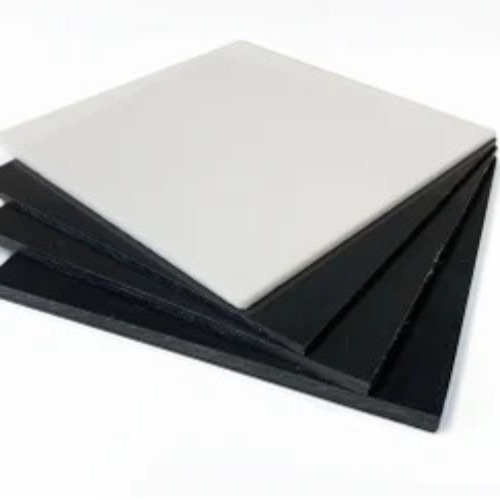
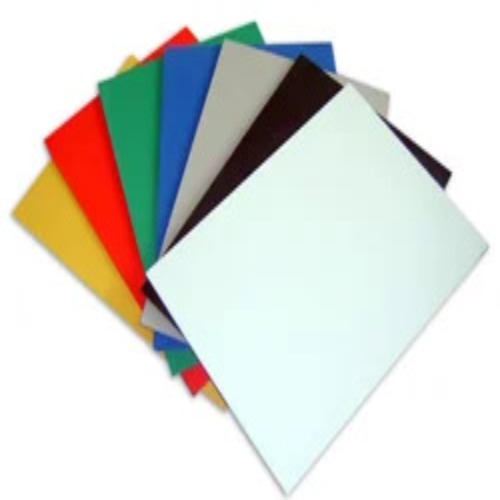
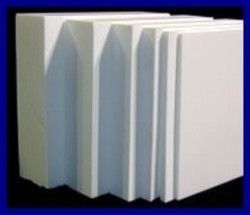
High Density Polyethylene (HDPE) Sheets
It is used in Textile Ind. for making Spinning Cans, Packaging Application, Automobile spars, Luggage Ind., Crates Partition, Thermoformed Parts, Water Treatment plants, Landfill, Pond lining, Oil Trap Pit Lining & for fabrication of Vessels Ducting, Tanks lining.
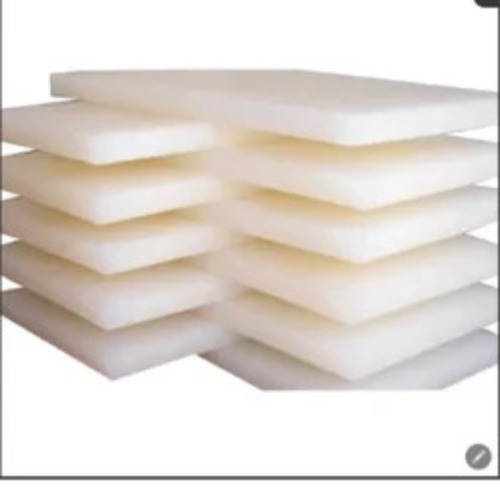
Chopping Board & Butcher Blocks are manufactured from premium food grade high-density polyethylene. They are offered for home use to commercial food preparation. These boards are smooth for trouble free chopping, slicing and cutting & friendly with knife. They will not chip, crack or warp and are non-porous, non-absorbent and stain- resistant.
Cutting / Clicking Boards are offered in High Density Polyethylene for industrial, commercial as well as domestic applications with a surface that is easy on cutting blades. These boards possess high impact and absolute dimensional stability characteristics along with perfect combination of material-cut feature. The boards are used on automatic and semi-automatic cutting presses, die-cutters and cutting machines, roller presses & manually.
Exceptional Durability and Chemical ResistanceHDPE sheets provide outstanding durability, resisting wear and impact even in harsh chemical environments. Their resistance to most acids, alkalis, and solvents makes them ideal for storage tanks, lining, and chemical process equipment. The non-toxic, UV-stabilized, and food-grade certified formulations ensure safe use across diverse industries, adding value with minimal maintenance.
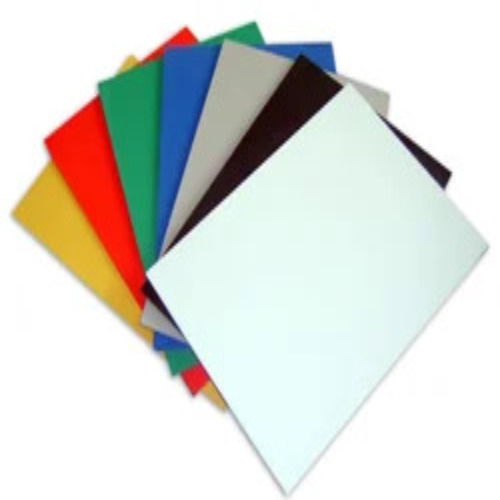
Versatility Across Multiple IndustriesThe adaptability of HDPE sheets is reflected in their applications: from packaging and food processing to insulation, marine uses, and construction linings. With a service temperature range of -50C to +80C, and customizable sizes and colors, these sheets accommodate various fabrication techniques such as CNC machining, welding, and thermoforming, making them a preferred choice for distributors and suppliers.
Environmentally Friendly and CompliantOur HDPE sheets are 100% recyclable and manufactured according to RoHS, REACH, and FDA (food grade) requirements. This not only supports environmental sustainability but also ensures safe contact for food, water, and healthcare applications. The high purity (97% HDPE) and consistent density provide reliability across every batch.
FAQ's of HDPE (High Density Polyethylene) Sheet:
Q: How can HDPE sheets be processed or fabricated for custom applications?
A: HDPE sheets can be easily processed using CNC cutting, milling, welding, and thermoforming machines. Their versatility allows precise customization of shapes, sizes, and surface finishes to suit specific industrial requirements, including direct placement, mechanical fastening, or thermal welding during installation.
Q: What benefits do HDPE sheets offer for food processing or chemical applications?
A: HDPE sheets are non-toxic, virtually non-absorbent, and certified food-grade (FDA compliant), making them ideal for food processing environments. Their excellent resistance to chemicals, acids, alkalis, and solvents also makes them suitable for constructing storage tanks and lining surfaces in chemical industries.
Q: When should HDPE sheets be used instead of other materials?
A: Choose HDPE sheets when you need a material that is lightweight yet strong, offers superior chemical and moisture resistance, and requires minimal maintenance. They are excellently suited for applications involving contact with food or harsh chemicals, and where electrical insulation or weatherproofing is needed.
Q: Where are HDPE sheets commonly installed or utilized?
A: HDPE sheets are widely used in food processing plants, construction projects, marine environments, chemical storage facilities, transportation, and for creating cutting surfaces or protective linings. Their adaptability enables direct installation in a variety of settings using standard fastening or welding techniques.
Q: What is the typical process for installing HDPE sheets?
A: Installation typically involves direct placement of the sheets, mechanical fastening (such as screws or rivets), or joining through welding. Depending on the application, edge finishing like saw-cutting or routering can be specified, and sheets can be further processed into custom shapes or thicknesses as required.
Q: What are the main environmental and safety benefits of using HDPE sheets?
A: HDPE sheets are environmentally friendly due to their 100% recyclability and compliance with RoHS and REACH regulations. They are also UV-stabilized, non-toxic, weatherproof, and safe for prolonged food contact, ensuring user safety and sustainability.







 Send Inquiry
 Send Inquiry
 Send SMS
