Product Description
Ethylene Propylene Diene Monomer (EPDM)
General characteristics
-
Temperature ranges from -130F (- 250C) to 2500F (1200C).
-
Excellent abrasion resistance.
-
Good resistance to tearing.
-
Generally resistant to the following media : Alcohols, Acidic salts, Alkaline salts, Alkaline solutions, Beverages, Bleach, Inorganic acids (dilute) Neutral salts, Water (cooling, brackish, salt), Hot Water, Steam.
-
Generally not resistant to the following media : Chlorinated hydrocarbons, hydrocarbon solvents & oils, petroleum-based oils, turpentine.
High Performance in Extreme ConditionsEPDM rubber excels under severe weather, ozone, and UV exposure due to its intrinsic polymer structure and superior resistance features. Its low water absorption, self-extinguishing nature, and excellent insulation properties make it ideal for outdoor, electrical, and demanding industrial applications. The versatile material retains flexibility and structural integrity even with prolonged use.
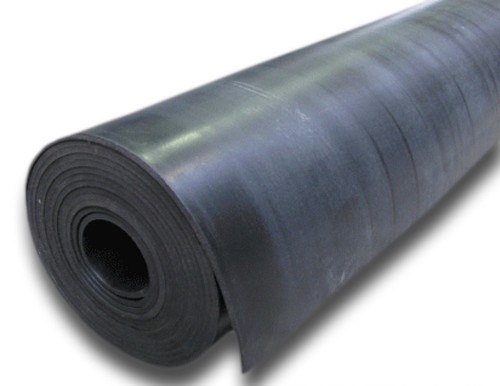
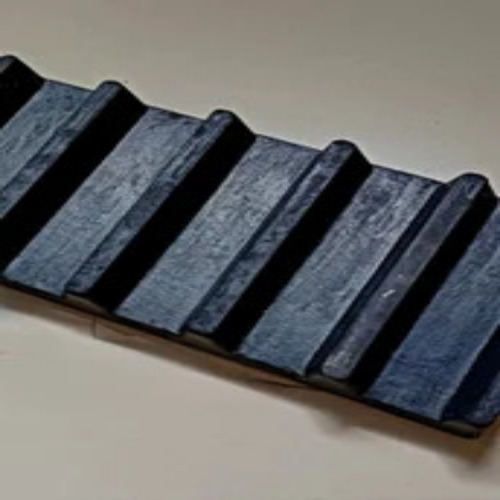
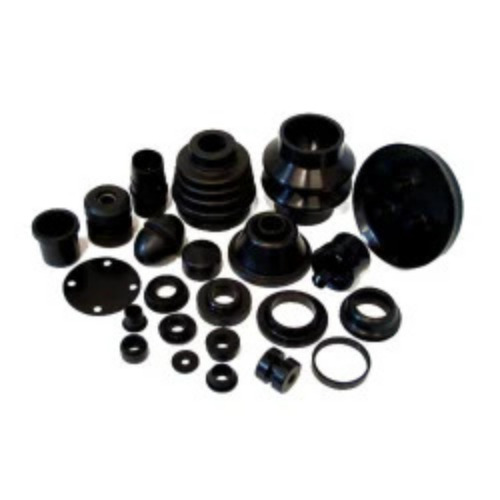
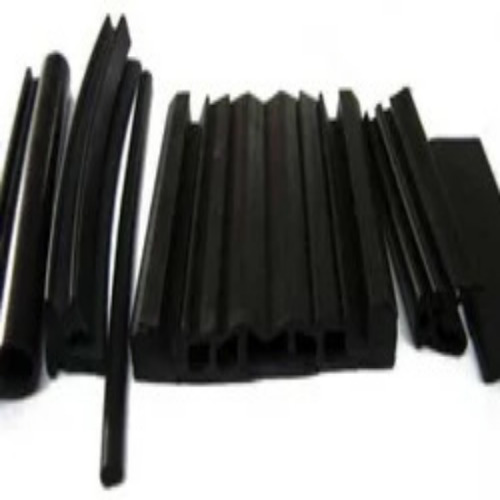
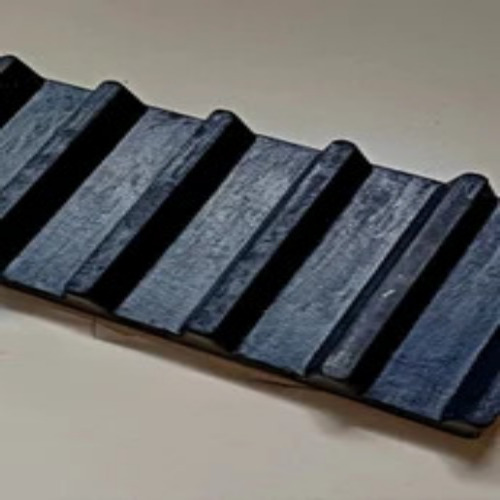
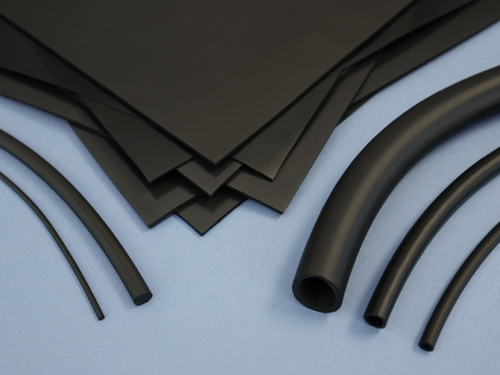
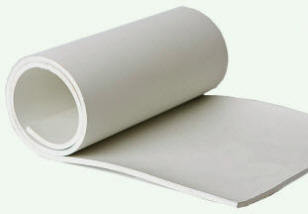
Customizable Form and Easy InstallationAvailable as sheets, rolls, and custom shapes, EPDM can be tailored to fit precise specifications. Its smooth or textured finish, wide range of thicknesses (510 mm), and tolerance of 0.1 mm allow manufacturers and installers to achieve exact fits. The adaptable material can be conveniently packaged for transport or storage in rolls, sheets, or cartons.
FAQs of Ethylene Propylene Diene Monomer (EPDM) :
Q: How does EPDM rubber maintain its exceptional weatherability and ozone resistance?
A: EPDM rubber is engineered with a saturated polymer backbone which contributes to its superb resistance to ozone, UV radiation, and extreme weather conditions. This molecular structure prevents cracking, degradation, and color fading over time, making it highly durable for outdoor applications.
Q: What are the primary benefits of using EPDM for gaskets and seals?
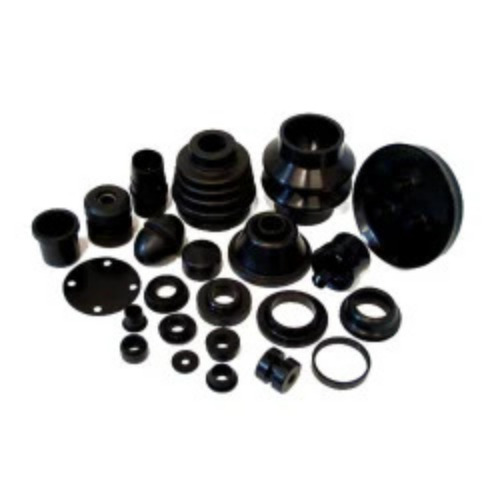
A: EPDM provides outstanding sealing performance due to its flexibility, excellent aging resistance, and superior temperature range of -40C to 130C. Its compression ratio of 1530% ensures tight, long-lasting seals in various environments, including automotive and industrial applications.
Q: When is EPDM the preferred choice over natural rubber for industrial applications?
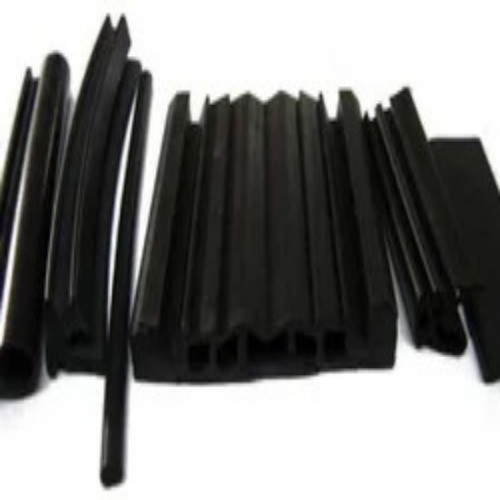
A: EPDM is favored over natural rubber when applications demand high resistance to weather, ozone, chemicals, and electrical insulation. For uses such as roofing membranes, weatherstripping, and electrical gaskets, EPDM reliably outperforms natural rubber in longevity and overall durability.
Q: Where can EPDM sheets or rolls be sourced in India?
A: EPDM rubber sheets, rolls, and custom parts can be acquired from reputable distributors, suppliers, or traders across India. Products are available in standard and custom dimensions, suited for diverse industries such as construction, automotive, and manufacturing.
Q: What is the process for customizing EPDM shapes and sizes?
A: Customization involves selecting your required dimensions, thickness (between 510 mm), surface finish, and shape (sheet, roll, gasket, or strip). Manufacturers tailor the EPDM using precision cutting and molding processes to library exact tolerances, ensuring the material matches specific application needs.
Q: How does EPDM contribute to electrical insulation needs?
A: With excellent dielectric properties, EPDM is frequently used as an insulator in both industrial and automotive environments. Its low water absorption ( 2%), robust chemical resistance, and reliable thermal conductivity (0.21 W/mK) ensure safe and effective performance in electrical applications.






 Send Inquiry
 Send Inquiry
 Send SMS
